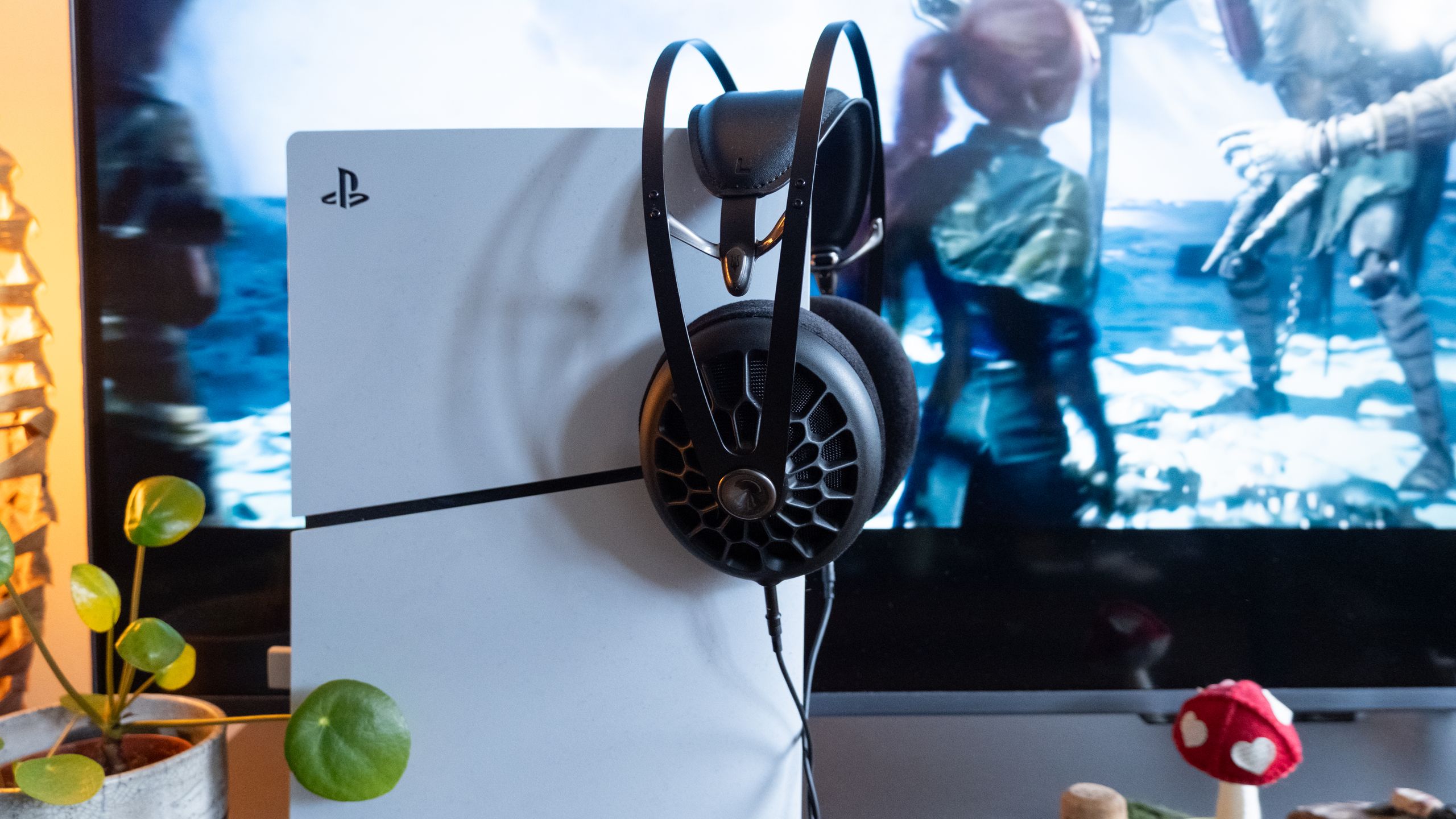
Ditch Gaming Headsets: Why Audiophile Headphones Win for Gaming
For too long, gamers have been told that specialized "gaming headsets" are the pinnacle of immersive audio. Yet, a growing number of savvy players are discovering a superior truth: audiophile headphones for gaming offer an unparalleled sonic advantage that dedicated gaming gear simply can't match. If you've ever felt that your current headset is holding you back, providing muddled sound, or failing to deliver those crucial in-game audio cues, it's time to explore the world of high-fidelity audio.
Many gamers, much like our reference forum user, start their journey with popular gaming headsets only to realize they desire something more. They seek headphones that not only sound better for general use but crucially, enhance their competitive edge by delivering crystal-clear footsteps and precise positional audio. This article will delve into why audiophile-grade headphones are the ultimate upgrade for any serious gamer, covering everything from soundstage and imaging to open-back vs. closed-back designs and necessary peripherals.
The Unmatched Advantage: Sound Quality and Positional Accuracy
The primary reason to switch to audiophile headphones for gaming is unequivocally sound quality. Unlike many gaming headsets, which often emphasize boomy bass at the expense of clarity in other frequencies, audiophile headphones are engineered for accurate sound reproduction across the entire spectrum. This means you'll hear every detail, from the soft rustle of leaves to the distant reload of an enemy weapon, with astonishing fidelity.
- Superior Soundstage: Think of soundstage as the perceived three-dimensional space of the audio. Audiophile headphones, especially open-back designs, create a much wider and more expansive soundstage than typical gaming headsets. This translates directly to a more immersive gaming experience, making it feel like you're truly inside the game world rather than just listening to sounds from within your head.
- Pinpoint Imaging: Imaging is the ability to accurately locate individual sounds within that soundstage. For competitive FPS (First-Person Shooter) games, this is a game-changer. The ability to distinguish whether those crispy footsteps are coming from your left, right, front, or behind, and even how far away they are, provides an undeniable tactical advantage. Audiophile headphones excel at this precision, allowing you to react faster and more effectively than with less capable gear.
- Clarity and Detail: Imagine hearing the subtle click of an enemy scope or the distinct sound of a specific weapon being drawn. This level of detail, often lost in the muddy mix of standard gaming headsets, becomes strikingly clear with audiophile-grade gear. These nuances can be the difference between victory and defeat.
Beyond the immediate in-game benefits, audiophile headphones offer a level of versatility that gaming headsets simply cannot. They are built for discerning ears, meaning they will also make your music, movies, and other media sound incredible. You're investing in a premium audio device, not just a gaming accessory.
Open-Back vs. Closed-Back: Tailoring Your Audio Environment
One of the most significant decisions when choosing audiophile headphones for gaming is whether to opt for an open-back or closed-back design. Each has distinct characteristics that cater to different gaming environments and preferences.
Open-Back Headphones: The Expansive Advantage
Open-back headphones feature earcups with perforations or an open mesh design, allowing air and sound to pass freely in and out. This design choice has profound implications for gaming:
- Wider Soundstage: This is the primary benefit for gamers. The open design allows sound to escape and interact with the environment before reaching your ears, creating a much more natural, airy, and expansive soundstage. This makes virtual surround sound modes in games feel more realistic and helps with pinpointing directional cues. For a deeper dive, read our article: Open-Back Audiophile Headphones: Your Gaming Advantage Explained.
- Natural Sound: The lack of sound trapped within the earcups prevents reflections, leading to a more natural and less "in-your-head" listening experience.
- Comfort: The open design often means better airflow, reducing ear sweat and increasing comfort during long gaming sessions.
The main downside of open-back headphones is sound leakage. Sound can easily escape, meaning people around you will hear what you're listening to, and ambient noise can easily enter. They are best suited for quiet gaming environments where isolation isn't a concern.
Closed-Back Headphones: The Immersive Sanctuary
Closed-back headphones have solid earcups that completely seal around your ears, creating a physical barrier against external noise.
- Excellent Isolation: If you game in a noisy environment, live with others, or prefer complete immersion without distractions, closed-back headphones are ideal. They significantly block out ambient sounds.
- No Sound Leakage: You won't disturb others around you, making them suitable for shared spaces or late-night gaming.
- Punchier Bass: The sealed design can sometimes lead to a more impactful, though potentially less natural, bass response.
The trade-off for closed-back designs is often a smaller, less natural soundstage compared to open-back models. Some users also find them less comfortable over long periods due to heat buildup and the "clamping" sensation.
Semi-open designs offer a middle ground, providing some of the spaciousness of open-backs with a degree of isolation, though they typically don't excel at either extreme.
The Right Gear: Amps, DACs, and Microphones
Venturing into audiophile territory might raise concerns about additional equipment. While some high-impedance headphones benefit from dedicated amplification, many excellent audiophile headphones for gaming can be driven perfectly well directly from your PC's motherboard.
Do You Need an Amp/DAC?
- DAC (Digital-to-Analog Converter): This converts the digital audio signal from your computer into an analog signal that your headphones can play. A good external DAC can bypass the often sub-par sound card in your PC, leading to cleaner audio.
- Amplifier (Amp): This boosts the analog signal to a level powerful enough to drive your headphones to their full potential. Headphones with higher impedance (measured in ohms) or lower sensitivity often require an amp to achieve optimal volume and dynamic range.
For example, models like the Sennheiser HD598/599 series are known for being relatively easy to drive, meaning you might not need an external amp or DAC immediately. However, if you opt for higher-end headphones or notice that your current setup lacks volume or clarity, a dedicated DAC/Amp combo can significantly enhance your audio experience. Devices like the Schiit Gunnr (or its predecessors like the Hel) are popular choices, offering both conversion and amplification, often with convenient microphone inputs.
The Microphone Solution
Since audiophile headphones do not typically come with integrated microphones, you'll need a separate solution for in-game communication. Fortunately, there are several excellent options:
- ModMic: These attachable boom microphones are designed to clip onto any pair of headphones. They offer excellent voice clarity and are a seamless way to add a mic to your audiophile setup.
- Standalone USB Microphone: For the best voice quality, a dedicated desktop USB microphone (e.g., Blue Yeti, HyperX QuadCast, Rode NT-USB Mini) is ideal. This allows for superior clarity, richer tone, and more control over your voice.
- Dedicated DAC/Amp with Mic Input: As mentioned, some DAC/Amp units like the Schiit Gunnr include dedicated microphone inputs and controls, streamlining your setup.
Recommended Audiophile Headphones for Gaming
The world of audiophile headphones is vast, but here are some strong contenders that frequently impress gamers across various budgets:
- Entry-Level Gems (Under $100-150):
- Samson SR850: Often cited as an incredible value for an entry-level open-back studio headphone, offering a surprisingly wide soundstage for its price.
- Philips SHP9500: Another fantastic open-back option renowned for its comfort and excellent sound, particularly after some "break-in" time.
- Mid-Range Marvels ($150-300):
- Sennheiser HD598/599: These are perennial favorites for a reason. They offer superb sound quality, comfort, and an excellent soundstage without needing an external amp. The HD599, in particular, features higher-quality drivers for less distortion compared to its predecessors. This range is where you truly start to feel the significant leap in quality over most gaming headsets.
- Audeze AR5000: Praised for being a great all-rounder, excelling in both casual music listening and delivering a strong performance in gaming.
- High-Performance Powerhouses ($300+):
- Sennheiser HD490 Pro: Fast becoming a top recommendation for competitive gamers, these headphones offer exceptional imaging and soundstage reminiscent of Sennheiser's legendary HD800s, but at a more accessible price point. They are incredibly comfortable and even come with swappable ear pads optimized for different listening experiences (e.g., "producer pads" for immersive gaming vs. "mixing pads" for competitive precision). For more on these, check out our guide on Crispy Footsteps: Top Audiophile Headphones for FPS Gaming.
- Beyerdynamic DT1990 Pro: While some users have mixed feelings, the DT1990 Pro is often considered for its analytical sound, robust build, and excellent detail retrieval, making it a strong contender for those who prioritize extreme clarity.
When selecting your ideal pair, remember to consider not just the sound profile but also comfort for extended gaming sessions and the overall build quality. Reading reviews and, if possible, testing headphones out can provide invaluable insight.
Conclusion
The journey from a standard gaming headset to audiophile headphones for gaming is one of revelation. It's a shift from marketing hype to genuine sonic performance, offering a richer, more detailed, and ultimately more competitive and immersive experience. By investing in headphones designed for audio fidelity, you're not only getting a superior gaming tool that helps you hear those crucial footsteps and directional cues with unparalleled precision, but also a versatile audio device that elevates all your listening experiences. Make the switch, and prepare to hear your games (and music) in a way you never thought possible.