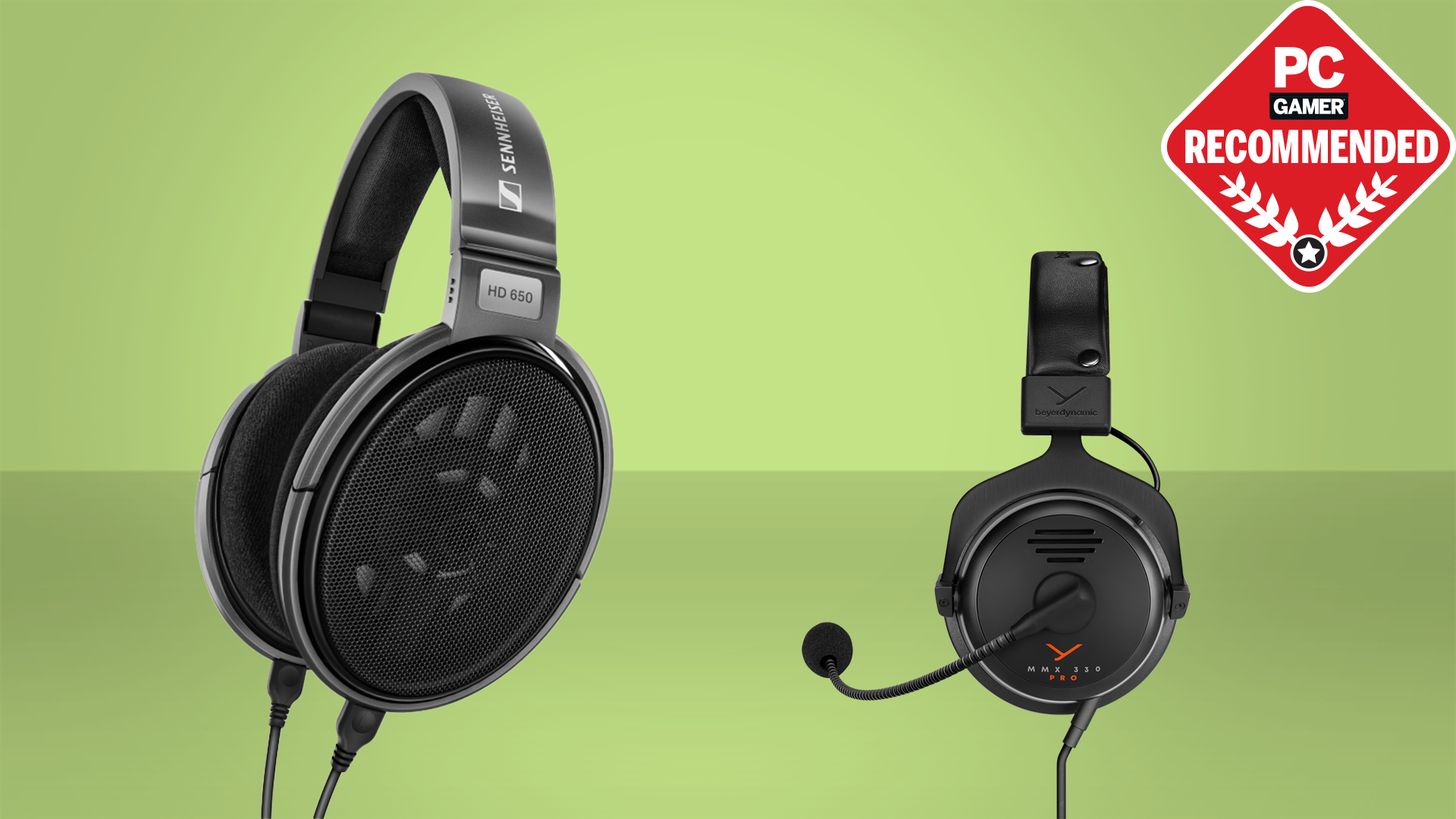
Crispy Footsteps: Elevate Your FPS Gaming with Audiophile Headphones
In the fast-paced world of First-Person Shooters (FPS), every sound cue can mean the difference between victory and defeat. From the subtle rustle of an enemy's movement to the distant crack of a sniper rifle, precise audio can give you an unparalleled competitive edge. While dedicated "gaming headsets" flood the market, a growing number of serious gamers are discovering a secret weapon:
audiophile headphones for gaming. These meticulously engineered audio devices offer a level of clarity, soundstage, and imaging that standard gaming peripherals simply can't match, transforming how you experience and excel in your favorite FPS titles. If you're tired of overpriced gaming gear and ready to hear every "crispy footstep," it's time to explore the audiophile advantage.
Why Audiophile Headphones Trump Gaming Headsets for FPS
For years, gamers have been told that a dedicated gaming headset is the pinnacle of in-game audio. However, many gamers are discovering that these products often prioritize flashy designs, RGB lighting, and bundled microphones over pure audio fidelity. They can be expensive, yet compromise on the critical elements that truly enhance a gaming experience. This is where
audiophile headphones for gaming shine.
Audiophile-grade headphones are designed with one primary goal: to reproduce sound as accurately and naturally as possible. This focus translates directly into tangible benefits for FPS players:
*
Superior Soundstage: This refers to the perceived spaciousness and depth of the audio. Audiophile headphones create a wider, more expansive soundscape, making it easier to pinpoint the general direction of sounds in your game environment. You'll feel truly immersed, as if you're standing in the virtual world itself.
*
Pinpoint Imaging: Beyond just knowing a sound is to your left, excellent imaging allows you to precisely locate its source within that space. Imagine hearing an enemy approaching from the northeast, not just "from the left." This precision is invaluable for tracking opponents and anticipating their moves.
*
Unrivaled Detail Retrieval: Audiophile headphones pick up on subtle nuances that often get lost in less capable headsets. This means hearing the faint metallic clang of a weapon being reloaded, the soft shuffle of boots on various surfaces, or the environmental cues that signal danger. These details are often the early warning signs you need to react proactively.
By offering a clearer, more spatial, and detailed audio experience, audiophile headphones provide a distinct competitive advantage, helping you react faster and make more informed decisions in critical moments. To delve deeper into this comparison, check out our detailed analysis:
Ditch Gaming Headsets: Why Audiophile Headphones Win for Gaming.
Open-Back vs. Closed-Back: The Crucial Choice for Gamers
One of the most fundamental decisions when choosing
audiophile headphones for gaming is whether to opt for an open-back or closed-back design. Each has distinct characteristics that impact sound and user experience.
Open-Back Headphones
*
How they work: Open-back headphones have earcups with perforations or grilles that allow air to pass through to the drivers. This design literally "opens" the sound up to the environment.
*
Pros for Gaming:
*
Wider Soundstage: The most significant advantage for FPS gaming. The open design creates a natural, expansive soundstage that mimics how we hear sounds in real life, making it much easier to pinpoint directional audio cues like footsteps and gunfire.
*
More Natural Sound: Sound generally feels less "trapped" and more airy, contributing to a more immersive experience.
*
Comfort: Often more comfortable for long gaming sessions as they allow air circulation, reducing heat buildup around the ears.
*
Cons for Gaming:
*
Sound Leakage: Sound bleeds out, meaning people around you can hear what you're listening to.
*
No Noise Isolation: You can hear your environment, which can be distracting in noisy settings.
*
Ideal Use: Best suited for quiet home environments where you want the maximum soundstage and immersion for competitive FPS gaming.
Closed-Back Headphones
*
How they work: Closed-back headphones have sealed earcups, completely isolating the drivers from the outside environment.
*
Pros for Gaming:
*
Excellent Noise Isolation: Blocks out ambient noise, allowing you to focus purely on your game audio, which is crucial in noisy households or tournament settings.
*
No Sound Leakage: Your audio stays private.
*
Cons for Gaming:
*
Smaller Soundstage: The sealed design can result in a more "in-your-head" sound, which might make precise directional audio slightly less expansive than open-backs.
*
Less Air Circulation: Can get warm over extended use.
*
Ideal Use: Recommended if you game in a noisy environment or require privacy, though the soundstage might not be as vast as their open-back counterparts.
For an in-depth exploration of how open-back headphones specifically benefit your gaming, read:
Open-Back Audiophile Headphones: Your Gaming Advantage Explained.
Top Audiophile Headphone Recommendations for FPS Gaming
The market for
audiophile headphones for gaming is rich with options across various price points. Here are some highly regarded choices that deliver exceptional performance for competitive FPS players, focusing primarily on open-back designs for their superior soundstage.
Entry-Level Excellence: Incredible Value
*
Samson SR850: Often hailed as an entry-level studio reference set, the SR850 offers an unexpectedly wide soundstage and detailed audio for its price. It's an excellent starting point for those looking to dip their toes into audiophile sound without breaking the bank. Many report it "rocks" for gaming.
*
Philips SHP9500: This headphone has achieved legendary status in the gaming community for its exceptional soundstage, natural sound, and comfort, especially after a brief "break-in" period. It punches far above its weight class and is a go-to recommendation for budget-conscious gamers seeking a clear advantage.
Mid-Range Marvels: Stepping Up Quality
*
Sennheiser HD 598 / HD 599: Sennheiser is a titan in the audio world, and their HD 500 series represents excellent value. The HD 598 (often found used or as a special edition) and its successor, the HD 599, are celebrated for their superb sound quality, comfortable velour ear pads, and robust build. The HD 599, in particular, features a higher quality driver for less distortion and often comes with additional cables, making it a stellar choice. A major convenience factor is that these headphones are relatively easy to drive, meaning you often won't need a dedicated amplifier/DAC, simplifying your setup. They deliver an expansive soundstage crucial for tracking enemy positions.
High-Performance Contenders: Premium Precision
*
Sennheiser HD 490 Pro: This model is quickly garnering a reputation as one of the best
audiophile headphones for gaming currently on the market. Users rave about its exceptional imaging and soundstage, often comparing its spatial awareness capabilities to the much pricier Sennheiser HD 800 S. A unique feature of the HD 490 Pro is its versatile pad system, allowing users to swap between "producer pads" for a more immersive sound and "mixing pads" for competitive gaming, offering enhanced clarity and detail. Its comfort is also highly praised, making it ideal for extended gaming sessions.
*
Audeze LCD-GX / MM-100 / Maxwell / Penrose / Mobius: While not strictly audiophile, Audeze's gaming line often leverages their planar magnetic technology which delivers incredible detail and responsiveness. Their older models like the Mobius and Penrose, and newer ones like the Maxwell (wireless) and MM-100 (wired) or LCD-GX (premium wired) offer a unique experience. While the MM-100 and Maxwell are more geared towards music production, their excellent technicalities translate well into gaming. They're worth considering for those looking for a different sound signature with strong bass and clarity, though they might require an amp.
*
AR5000: While newer to the scene, the AR5000 has been highlighted as a great set for both casual listening and effective gaming. It offers impressive performance for its price point and is a strong contender for those seeking versatility.
While the DT1990 MK2 is sometimes mentioned, opinions can be mixed, often due to its brighter sound signature which some find fatiguing during long sessions.
Beyond the Headphones: Amps, DACs, and Microphones
While many entry-level and mid-range audiophile headphones can be driven directly by your PC's motherboard, investing in an external Digital-to-Analog Converter (DAC) and an amplifier (amp) can significantly elevate your audio experience.
*
DAC: A DAC converts the digital audio signal from your computer into an analog signal that your headphones can play. An external DAC bypasses your computer's often noisy internal audio processing, resulting in a cleaner, clearer sound.
*
Amplifier: An amplifier boosts the analog signal, providing enough power to drive your headphones to their full potential, especially for higher impedance models. This results in better dynamics, more impactful bass, and overall superior sound quality.
For convenience, devices like the Schiit Gunnr combine a DAC and amplifier into a single unit, offering dedicated controls and often superior sound quality compared to integrated solutions. While some headphones like the Sennheiser HD 599 don't strictly *require* an amp/DAC, pairing them with one can unlock their full potential, especially for competitive gaming where every bit of clarity counts.
Finally, remember that most
audiophile headphones for gaming do not come with an integrated microphone. You'll need to pair them with a good quality standalone microphone (like a ModMic, desk mic, or USB microphone) for in-game communication.
Conclusion
The journey to achieving "crispy footsteps" in your favorite FPS games often leads away from traditional gaming headsets and towards the superior world of
audiophile headphones for gaming. By prioritizing soundstage, imaging, and detail retrieval, these headphones provide a distinct competitive advantage and a far more immersive experience. Whether you opt for the expansive sound of open-back designs or the isolation of closed-back models, and whether you start with a budget-friendly gem or invest in a premium performer, making the switch will fundamentally change how you play. Dive into the world of audiophile sound, hear what you've been missing, and elevate your game to new heights.